
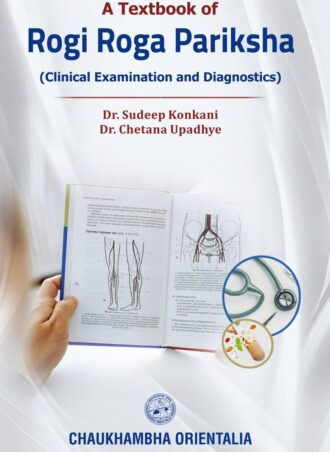
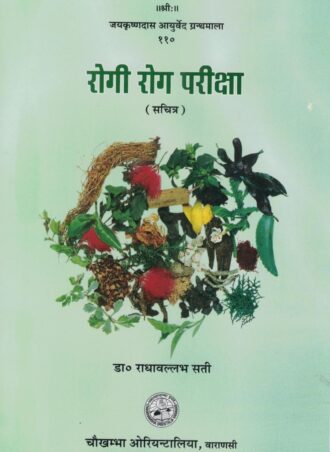
A Textbook of Rogi Roga Pariksha
A Comprehensive Manual of Clinical Diagnosis in Ayurveda: Integrating Rogi Pariksha and Modern Examination.
In the practice of medicine, a correct diagnosis s the ultimate foundation of successful treatment. This comprehensive textbook serves as a definitive clinical manual for both undergraduate and postgraduate students, bridging classical Ayurvedic diagnostic methods (Rogi-Roga Pariksha) with modern clinical systems and diagnostic tools.
The book is meticulously structured into two primary domains:
Classical Ayurvedic Diagnostics (Pariksha): A deep exploration of traditional examination methods rooted in antiquity, tracing from the Atharva Veda to the foundational frameworks of Charaka, Sushruta, and Vagbhata. It details the nuances of Trividha (three-fold), Shadvidha (six-old), Ashtavidha (eight-fold), and Dashavidha Pariksha (ten-fold clinical examination). Readers will find exhaustive guide maps on evaluating Deha Prakriti (biophysical constitution), Manasa Prakriti (psychic faculties), Sara (issue excellence), and Vikriti (morbidity profiles).
.Systemic & Modern Diagnostics: Translating ancient wisdom info modern practice, the second half focuses on the structured physical examination of major human systems including Respiratory, Gastrointestinal, Nervous, Musculoskeletal, and Urinary systems. Furthermore, it incorporates an essential introduction to contemporary diagnostic modalities such as X-ray, Ultrasound (USG), CT scan, MRI, ECG, and EEG.
Written with textual precision and enriched by classic Shlokas alongside comparative modern viewpoints, this book is indispensable diagnostic companion for every aspiring Ayurvedic physician, clinical researcher, and practitioner aiming for clinical excellence.
Key Features
.Complete Clinical Methodology: Thorough breakdowns of Darshana (Inspection), Sparshana (Palpation), and Prashna Interrogation) applied step-by-step to complex diseases like Pakshaghata (Hemiplega). .Prognostic Insights: Practical explanations of advanced diagnostic tools like Taila Bindu Pariksha (Urine drop test)and Nadi Pariksha (Pulse diagnosis).
.Scannable Reference Tables: Symptom correlation mattices connecting distinct sensory observations (taste, sound, smell, appearance)to specific pathological states.
.Integrated Approach: A smooth transition from the ancient Karanadi Dashavidha Parikshya Bhava to contemporary imaging
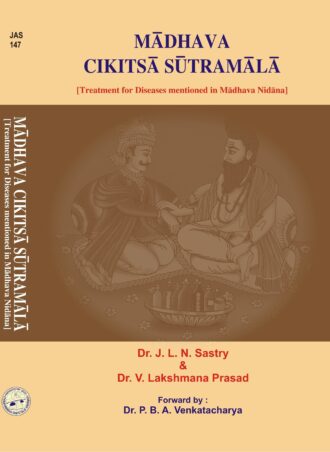
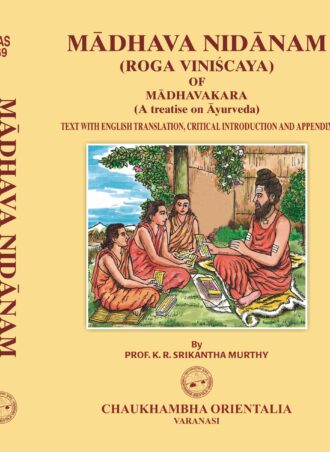
Madhava Chikitsa
The chapters discussed in Madhava Chikitsa are at par with the sequence of the chapters of Madhava Nidana. The line
A Textbook for Roga Nidana & Vikruthi Vijnana (Volume 2)
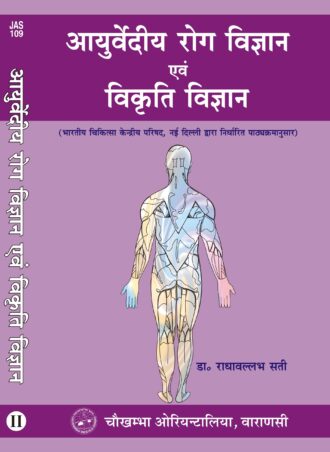
This textbook helps as a guideline for every student who wants to study Roga nidana. Volume 2 of Roga Nidana
comprises of systemic pathology that deals with etiology, pathogenesis, symptomatology, prognosis and complications of every disease as explained by Brihatrayees.
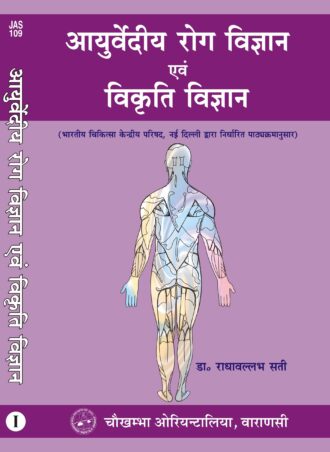
A Textbook for Roga Nidana Evum Vikruthi Vijnana (Volume 1)
Roga Nidana is the chief subject that connects physician with the patient and then to medicine. Thus without pareeksha and analysis of roga and rogavinischaya chikitsa cannot be administered. Treatment is not that when you see a few symptoms
and then give drugs which are showing antagonistic features to that of symptoms. The chikitsa begins from understanding
prakruthi, doshaavastha, vyadhiavastha, roga rogibala, agni, koshta, satmya and understanding disease process or samprapthi. For this one has to understand roganidana very well.
